Ferganamedia.uz is registered as an electronic mass media 26 September 2024 by the AOKA under the administration of the President. Certificate number: 414738. Founder: OOO «Fergana Media Press».
Ferganamedia.uz is registered as an electronic mass media 26 September 2024 by the AOKA under the administration of the President. Certificate number: 414738. Founder: OOO «Fergana Media Press».
Ferganamedia.uz is registered as an electronic mass media 26 September 2024 by the AOKA under the administration of the President. Certificate number: 414738. Founder: OOO «Fergana Media Press».
In recent days, the economic and legal consequences of the proposal to change the state emblem, which has become a trend, have been deeply analyzed. Today, the most pressing issue is not the renewal of symbols, but the well-being of the people and the resolution of social problems.
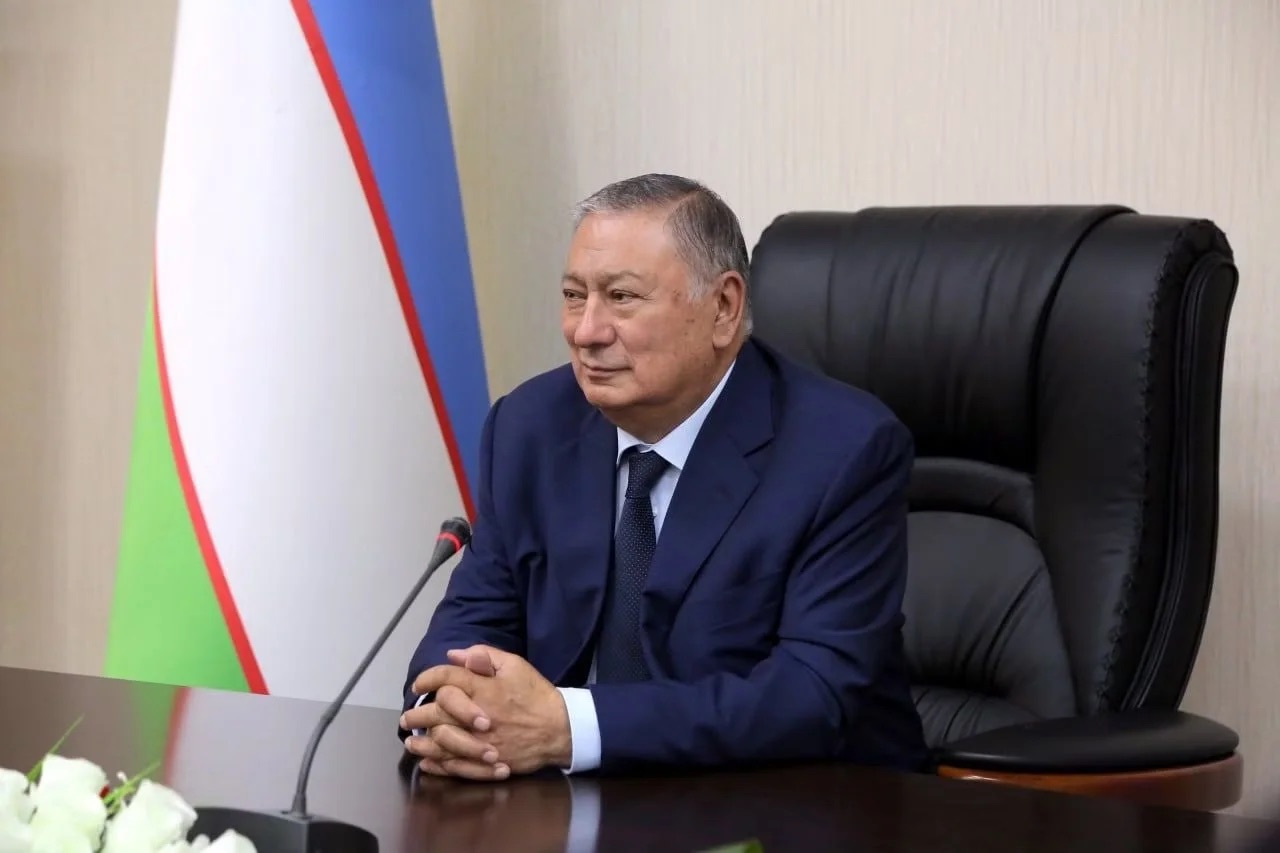
Қудратилла Рафиқов. Касаба уюшмалари федерацияси.
Today, one question is increasingly being heard in Uzbek society:
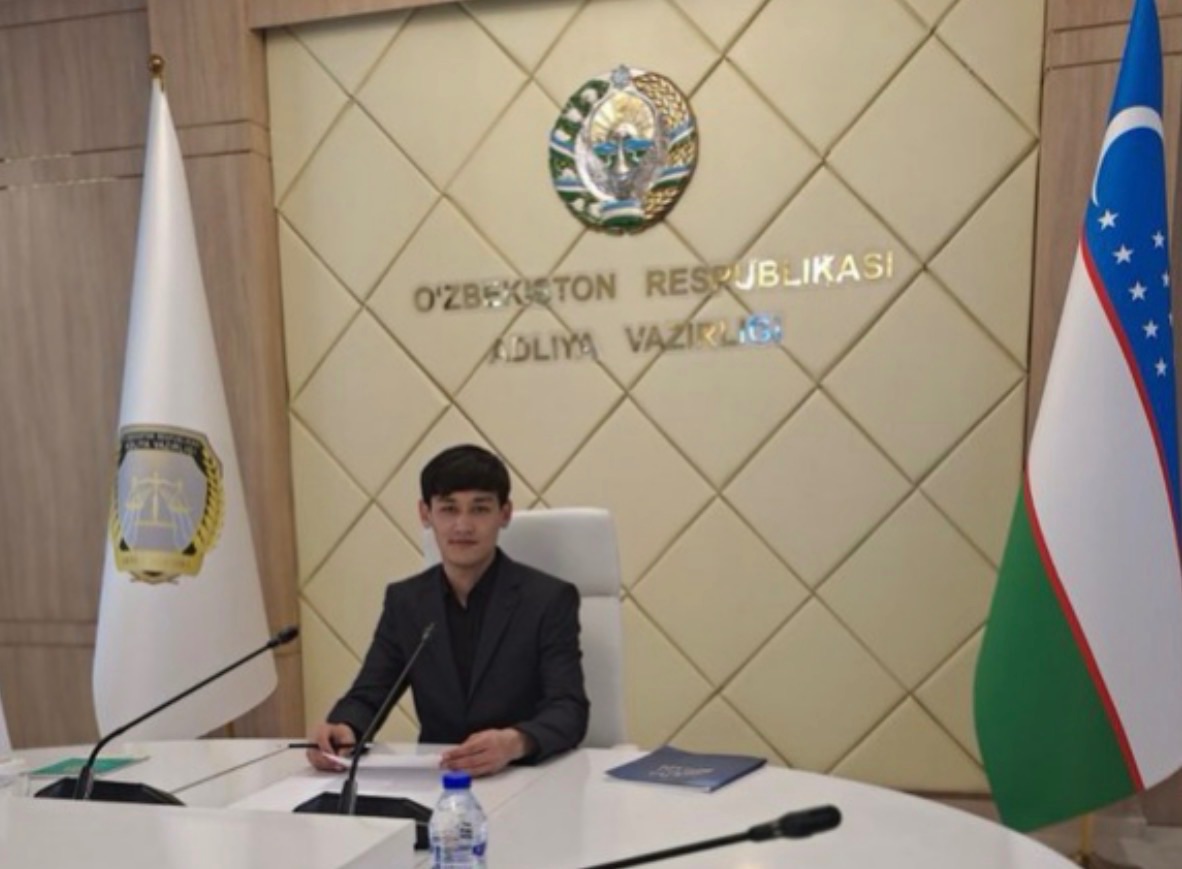
Shermuxammad Dexqonov “Huquqshunos”
Is changing the state emblem the most pressing issue at the moment?
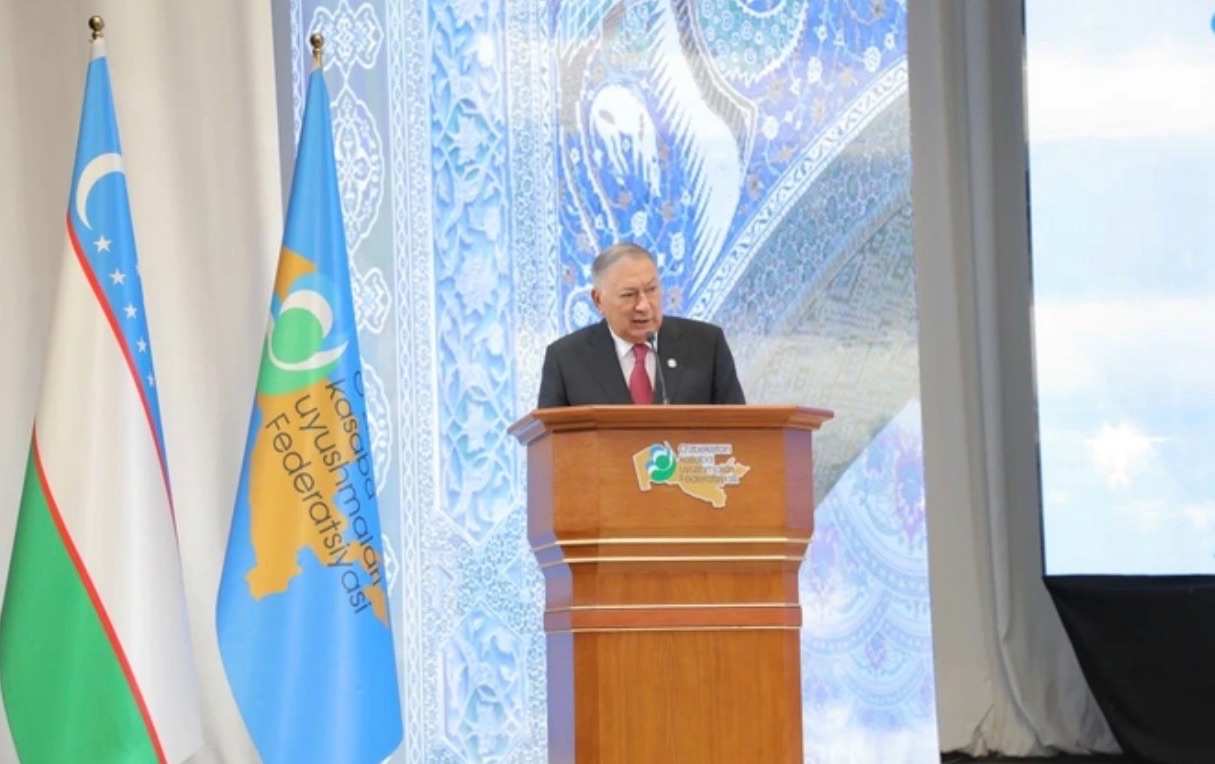
“Foto gazeta.uz” Qudratilla Rafiqov. Kasaba uyushmalari federasiyasi.
The idea of updating the emblem, voiced by the chairman of the Federation of Trade Unions of Uzbekistan, Kudratilla Rafikov, might seem like a simple aesthetic suggestion.
O'zbekiston Respublikasi davlat gerbi
But a state symbol is not just a picture. It represents millions of documents, thousands of buildings, the entire state system.
If we analyze the situation realistically, what does our people need more today: a new emblem or new opportunities?
State symbols are sacred. No one disputes this. The emblem is history, independence, and the symbol of the state. However, the power of a state is measured not only by its symbols but also by the well-being of its people.
Frankly, for an ordinary citizen, a job, affordable housing, quality healthcare, strong education, a fair court, and a stable economy are much more important than any element on the emblem. Because when a person is hungry, they look not at the symbol, but at bread. And when they are sick, they hope not for the emblem, but for a hospital.
The economic aspect of changing the emblem is substantial. It's not just a new design by an artist. If the state symbol changes, the following will be updated step by step:
State institution signs, ministry letterheads, school and university diplomas, military insignia, passport and ID designs, seals of courts, prosecutor's offices, and khokimiyats, embassy attributes, textbooks, visual identification in electronic systems and on state websites.
Each of these entails costs in the billions of soms.
The most dangerous aspect is the “invisible costs.” Society often only sees the image of the new emblem. However, behind the state apparatus lie enormous financial processes: tenders, reproduction, replacement, logistics, disposal, and technical adaptation. Changing one emblem means changing thousands of seals.
Changing one seal means updating the entire document circulation system.
Today, Uzbekistan faces even more critical tasks, which is no secret to the government. These include: poverty reduction, youth employment, migration, water scarcity, corruption, judicial reform, and education quality. I believe the state's energy and budget should be directed primarily towards solving these problems.
In reality, the current emblem is a product of the dreams and hopes of the early years of independence. A generation grew up with it. It has been presented at UN podiums. It has traveled the world in passports. It has fluttered on the chests of athletes alongside our anthem. The value of a symbol is determined not by its novelty but by its historical memory.
Therefore, today, one question should be at the center of the discussion!
Do we need a new emblem now, or do we need to further strengthen the people's trust?
If the people are satisfied with their state, even the old emblem will appear great.
If the people are dissatisfied, even the most beautiful emblem cannot unite hearts.
The legal process itself also involves significant costs!
Changing the state emblem does not end with simply drawing a new image. It is a complex constitutional and legal process.
This is because state symbols have a special constitutional status in the Constitution of Uzbekistan. Therefore, if the emblem changes, the related legal framework will also be reviewed.
This implies the following stages:
1. Development of a new concept;
2. Conclusions from experts and historians;
3. Parliamentary discussions;
4. Adoption of the law "On the State Emblem" in a new edition;
5. Amendments to the Constitution;
6. Revision of normative legal acts;
7. Updating internal regulations of state bodies;
8. Re-approval of thousands of legal forms.
This process itself requires significant funds and time.
The most important point is that any change related to the Constitution is not a simple technical matter. It means an intervention in the fundamental legal document of the state. Constitutional changes entail additional costs such as parliamentary resources, legal expertise, official publications, translations, information campaigns, and adaptation of state systems.
Many think, "Only one picture will change." In reality, a change in the state symbol is a change in the entire legal identification system. For example, > the state emblem on court decisions, seals of the prosecutor's office and internal affairs bodies, attributes of military units, requisites in international treaties, the emblem of diplomatic missions, and the design of state awards may also need to be adapted.
This leads to an additional budget burden of billions of soms.
The question returns to the same point...
What should be the priority directions of the state budget today?
A new emblem? Or poverty reduction, youth employment, improving healthcare quality, strengthening the judicial system, and improving rural infrastructure?
The strength of a state is sometimes demonstrated not in creating a new symbol, but in preserving the people's trust in the existing one.
History shows that symbols that have found a place in people's hearts are not changed frequently. Because the power of a symbol lies not in its design but in the memory, struggle, and emotions of generations associated with it.
Changing the emblem will not make the state stronger. However, preserving the budget will make the people stronger. Today, it is more important to preserve the future of the people, not the state symbol. Because every billion saved is a new school, a new job, a new hospital, and hope for thousands of families. Historical symbols become great not when they are frequently changed, but when they are preserved in the hearts of the people.
Ferganamedia.uz is registered as an electronic mass media 26 September 2024 by the AOKA under the administration of the President. Certificate number: 414738. Founder: OOO «Fergana Media Press».