Ferganamedia.uz is registered as an electronic mass media 26 September 2024 by the AOKA under the administration of the President. Certificate number: 414738. Founder: OOO «Fergana Media Press».
Ferganamedia.uz is registered as an electronic mass media 26 September 2024 by the AOKA under the administration of the President. Certificate number: 414738. Founder: OOO «Fergana Media Press».
Ferganamedia.uz is registered as an electronic mass media 26 September 2024 by the AOKA under the administration of the President. Certificate number: 414738. Founder: OOO «Fergana Media Press».
We feel hunger in satiety (cellular hunger), fatigue in comfort. This article is not about blood sugar numbers, but about re-engaging in conversation with our bodies, which we have stopped listening to.
If medicines treat symptoms, awareness saves lives. Isn't it time to make peace with your body?
Аъзамжон Рахмоналиевич
In recent years, as a doctor, one of the questions that has most concerned me is:
why do people eat more than before, live in greater comfort, yet constantly feel tired, heavy, and sick? Why are diabetes, obesity, hypertension, and cardiovascular diseases becoming younger?
Sometimes, while seeing a patient, I think:
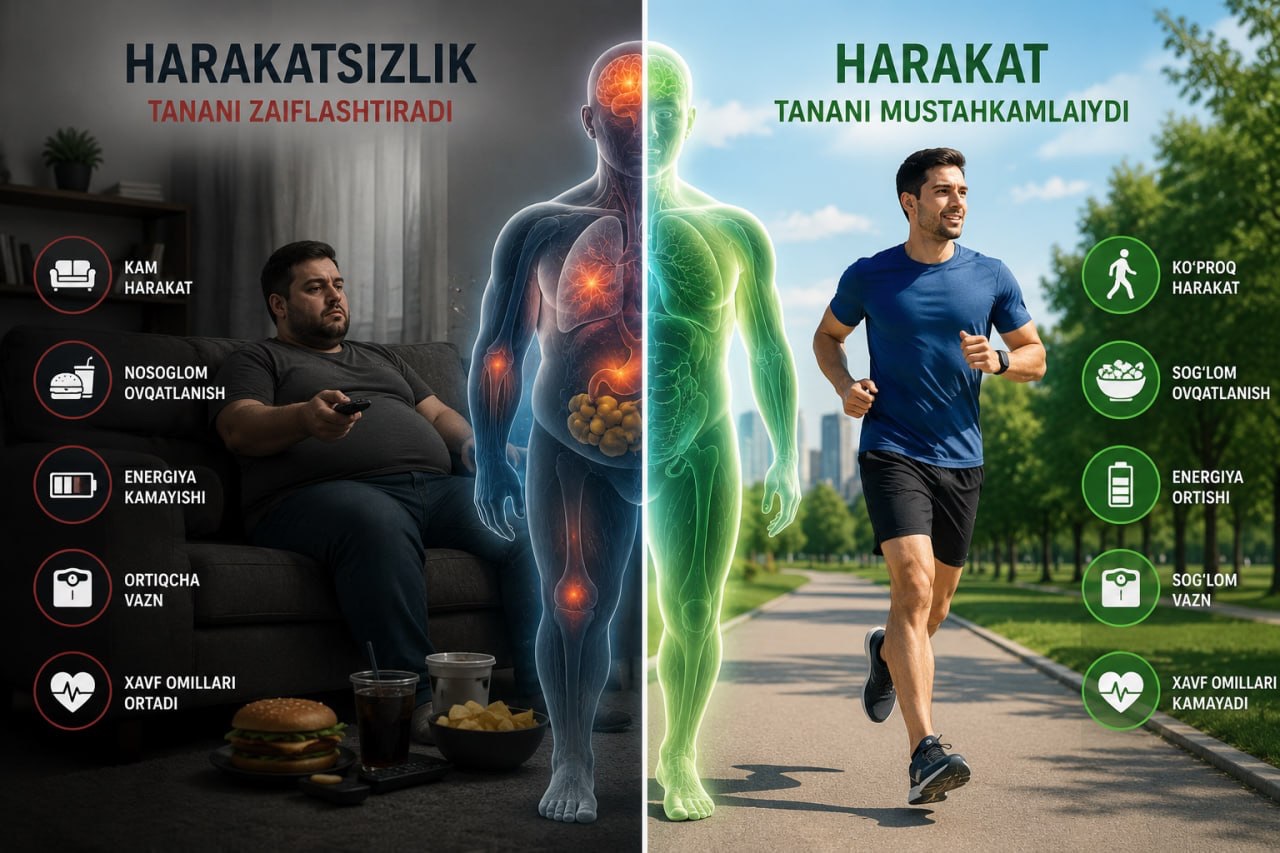
the human body is actually a very powerful system. It fights for us every day through millions of cells, hormones, and complex mechanisms. But the modern lifestyle – inactivity, stress, artificial foods, lack of sleep, and constant rushing – is gradually disrupting the body's natural balance.
The most interesting thing is that many people think diseases appear suddenly. In reality, the body signals for years: fatigue, fat accumulation around the abdomen, sleep disturbances, strong cravings for sweets, lack of energy, and so on.
But we often perceive these signals as "normal" and ignore them.
Here, an idea occurred to me: perhaps diabetes is not just about increased blood sugar. Perhaps it is the body's response to lifestyle.
As a doctor, through many years of practice, I have understood one thing clearly: diabetes is not just about increased blood sugar.
Rather, it is the human body's response to lifestyle, stress, diet, and inactivity. Today, we hear a lot about diabetes. Medications are increasing, tests are becoming more accurate, technology is advancing. Yet, despite this, both diabetes, obesity, and hypertension are increasing year by year. This means the problem is not just in the numbers of blood sugar levels.
I see many patients in my practice. They say, "Doctor, my sugar is not coming down." But when the conversation deepens, it becomes clear that the person has been sleeping poorly for years, living an inactive life, experiencing constant stress, or consuming food not for life or health, but as a means of satisfying cravings. And the body "remembers" all of this.
From a physiological perspective, diabetes is not
just about insulin and glucose. It is a large system related to muscles, liver, intestines, stress hormones, sleep, and even breathing. For example, during physical activity, muscles can absorb glucose even without insulin. That's why walking itself can sometimes be unexpectedly important in lowering sugar levels.
I have also observed another important thing: many people consider food merely to satisfy hunger. In reality, food should be a source of healing and energy for the body. Natural, minimally processed products bring stability to the body, while highly processed industrial foods like sausages, chips, ready-made meals, carbonated drinks, and sweets with artificial additives increase sugar, inflammation, and insulin resistance.
Breathing is also more important in diabetes than we think. Oxygen is needed for glucose to be converted into energy. Chronic stress and shallow breathing keep the body in a constant state of "danger." Therefore, sometimes a person has sugar but no energy. Fatigue, insomnia, and internal tension increase.
For this reason, I would encourage people to understand their bodies rather than just fight diabetes.
Because the body is not an enemy. It always sends signals. Elevated sugar levels are often one of these signals.
In my opinion, diabetes can be managed not only with medication but also by understanding one's lifestyle.
Diet, exercise, sleep, stress, and conscious decisions – all of these are part of the treatment. In conclusion, I want to say: the human body is much wiser than we think. It talks to us every day. We have simply forgotten how to listen. Perhaps returning to health begins not with searching for a new drug, but with restoring our relationship with our own bodies.
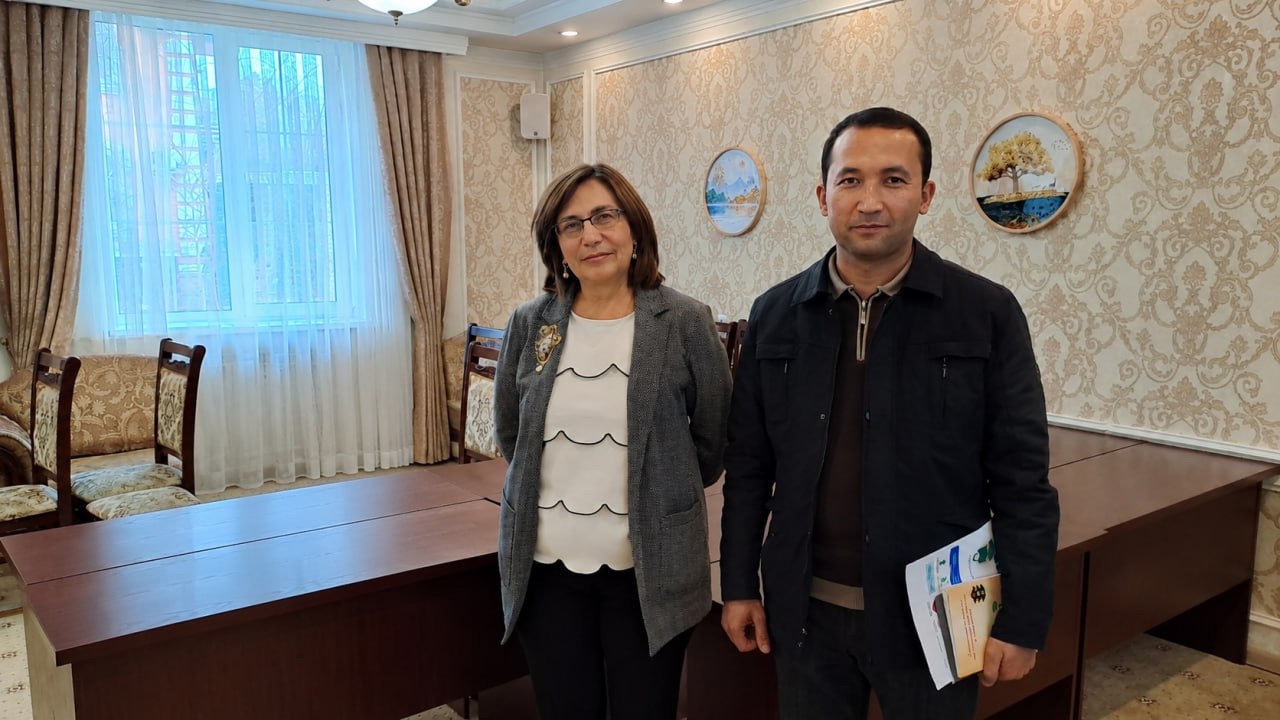
Deputy Director for Medical Affairs of the RIEIATM Fergana branch, Israilov A'zamjon Rakhmonalievich
Ferganamedia.uz is registered as an electronic mass media 26 September 2024 by the AOKA under the administration of the President. Certificate number: 414738. Founder: OOO «Fergana Media Press».